 John F. Clark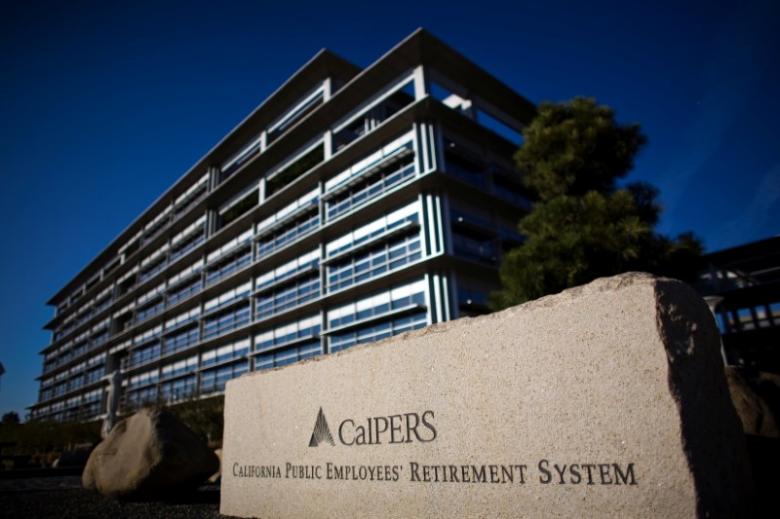
Calpers headquarters is seen in Sacramento, California, October 21, 2009. REUTERS/Max Whittaker
The California Public Personnel’s Travel Knowledge, Retirement Gadget board voted on Wednesday to lower the 401 (k)’s anticipated fee of return on investment to 7 percent by 2020, a decision that comes after the fund did not meet its 7.5 percent target in the past years.
They circulate through u. S . A .’s biggest public pension fund will area a greater economic burden on the kingdom’s cities, counties, and different neighborhood government companies across California that rely upon CalPERS pensions.
The $300 billion funds are presently 68 percent funded and have lately become coins negative, which means that it has paid out extra in benefits, approximately $19 billion remaining years. It was collected from workers’ contributions – about $14 billion, Atticus Blog.
“This changed into a totally hard choice to make, but it is a critical step to make sure the long-term sustainability of the Fund,” Rob Feckner, president of the CalPERS Board of Management, stated in a declaration.
“We understand this can affect the nation, schools, and public agencies that associate with us, and we are committed to ensuring the modifications are implemented in a phased manner, so our employers and affected individuals have time to plan their budgets responsibly,” he stated.
The board agreed that the cut-price fee, or the assumed fee of funding returns, be reduced to 7.375 percent in the financial 12 months 2017-18, 7.25 percent in 2018-19, and 7 percent in 2019-20.
Related Articles :
- A plan to cut red tape will help boost investment
- Large Indian conglomerates invest only in a handful of states
- Panels to push industry goals
- Started at the age of 19, this multibagger stock picker’s
- Jaitley defends SBI’s choice to cut savings account interest rate
It remains to be seen whether other huge U.S. Pension plans will follow CalPERS’ lead and lower their targets.
The commonly assumed rate of return throughout the 100 biggest kingdom plans in the financial year 2015 became 7.6 percent, in line with the Pew Charitable Trusts’ public pension retirement structures challenge.
The best seven plans in 4 states – Idaho, Indiana, Virginia, and Wisconsin – assumed a decrease of going back 7 percentage points or decrease.
Governor Jerry Brown, who has been critical of CalPERS in the past for now, has not shifted aggressively to cut the target, but praised the circulation in a statement after the vote.